
Professor Fuschia Sirois
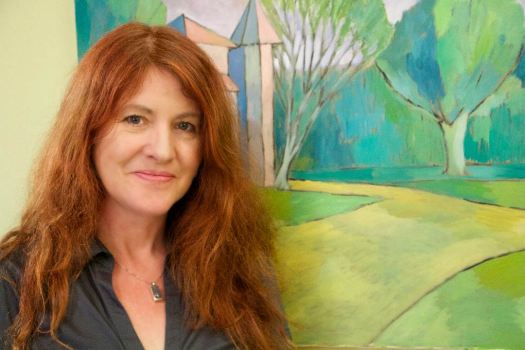
Welcome! I am Professor of Social and Health Psychology at the University of Durham, UK.
My research focuses on understanding the factors that create risk or resilience for health and well-being outcomes, and particularly how self-regulation (how we manage and direct our thoughts, emotions, and behaviours to reach our goals) can impact health and well-being.
Read more about Professor Sirois.
Dr Sirois’s research in the Guardian

I tried to not procrastinate for a week. Here’s what helped the most
Journalist Amelia Tait takes on the brave task of tackling her procrastination with the advice of Dr Sirois. Read the full article here.
Do you or someone you know struggle with procrastination?

If you answered “yes”, then you may be interested in our new free to use Toolkit for addressing procrastination. You can be among the first to know when it is launched by registering your interest in this survey. For more info and to register, CLICK HERE
For more videos on the causes, consequences and ways to conquer procrastination, please visit my YouTube channel and subscribe to get notified of new content.
Areas of Expertise
My current research focuses areas and questions with direct relevance for understanding and improving health and well-being. I am also interested in the way we conduct research and the tools and conceptual approaches we use to generate and evaluate evidence. You can read more about these specific areas below and through the menu bar above.
Procrastination

My research over the past 20+ years has strived to answer the following questions: Why do people procrastinate, what are its effects, and how can we reduce procrastination?
Self-compassion

How does self-compassion impact health, goals, and well-being? What are the barriers to being self-compassionate? My work over the past 9 years has aimed to answer these questions.
Loneliness

How does loneliness impact health, well-being, and the decisions people make? These are some of the questions my research and policy work aims to address on the topic of loneliness.
Gratitude

Over the past 6 years my research has focused on addressing questions such as: How does gratitude impact health? Who is more likely to feel grateful and why?
Temporal Thinking

My research over the past 19 years has aimed to understand how thinking about the past, present, or future impacts motivation, health, and well-being.
Perfectionism

Over the past 13 years my research has highlighted the impact of perfectionism on health and well-being, as well as the possible reasons for its harmful effects.
Meta-analysis

Meta-analysis is a way of quantitatively summarising current evidence to gain insights into issues and knowledge gaps. For almost a decade I have used this technique to shed light on impactful evidence.
Theory

Theories help us understand and explain phenomena. Models provide an overview of the structure of phenomena. Over the past 9 years I have proposed and tested a number of theories and models to inform research.
Psychometrics

Psychometrics is the scientific approach to measuring psychological variables and constructs. I have been designing, validating, and testing new measures of psychological concepts for over 20 years.
Advisor. Commentator. Public Speaker.
Professor Sirois advises and comments across national and international press, mainstream media, social media platforms, and for government policy. She is also available for public speaking & CPD events.
New Book
This self-help style book published by APA presents a comprehensive, in depth and compassionate view of why people procrastinate, why procrastination is harmful, and what you can do about it. It’s packed with science-based tools for understanding and addressing procrastination in oneself and others.
This book was listed as one of the GreaterGood.com’s 2022 Editor’s picks of “the most thought-provoking, practical, and inspirational science books of the year.”
 Fuschia Sirois